When the surgeon becomes the patient, everything becomes clear.
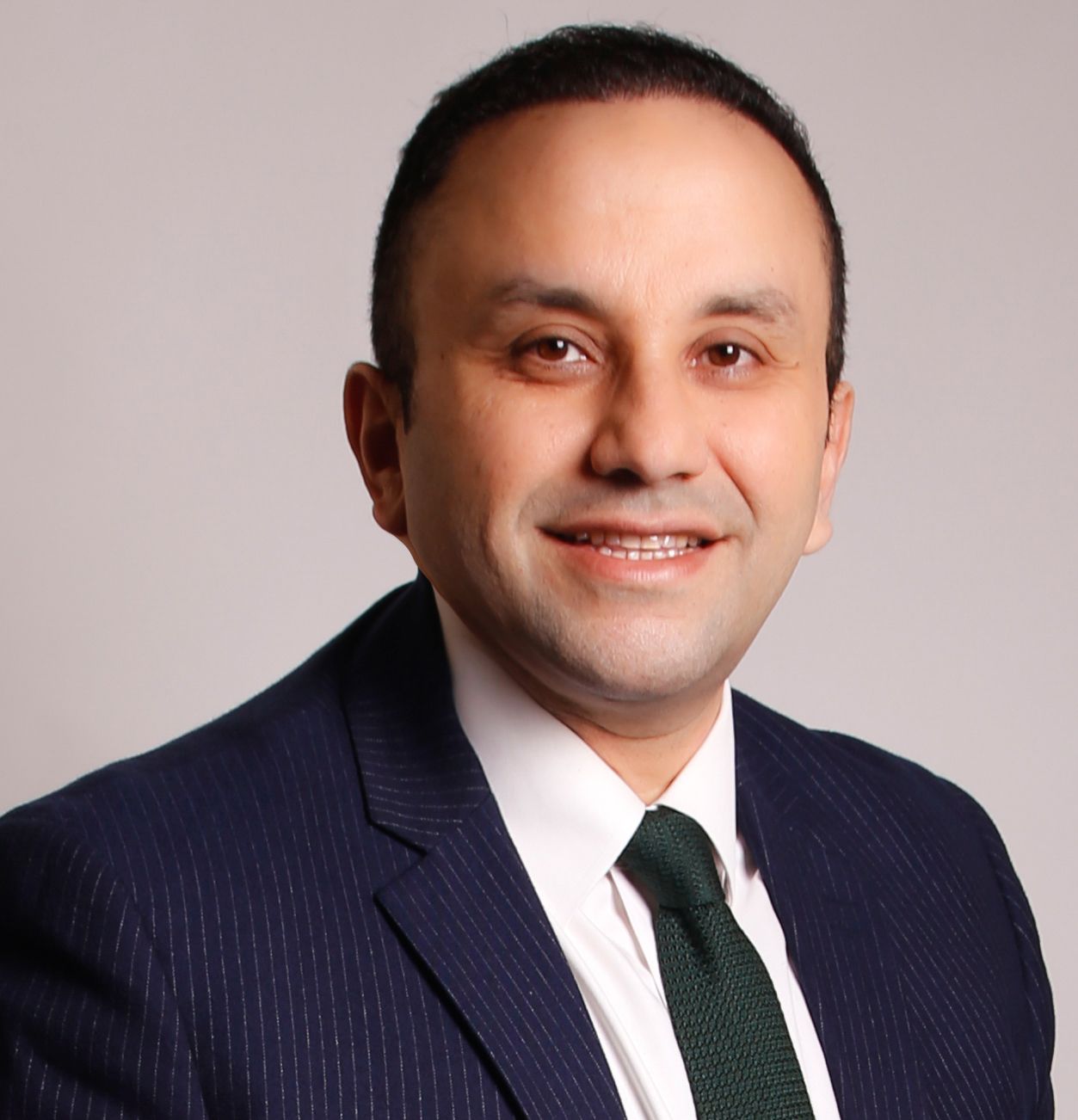
The report had my name at the top. Not a patient's name. Mine. Kidney cancer. A nephrectomy required. Lung involvement to be investigated. I had been a consultant orthopaedic surgeon for fifteen years, a professor, the Director of Research and Development at an NHS Foundation Trust. I had read sentences like this thousands of times on other people's documents. I had never been the subject of one.
In that silence, I thought about a twelve-year-old boy in Ismailia, Egypt, who had made a promise. He had just finished reading a book his mother placed in his hands — and he had understood, with the clarity that children sometimes achieve before life complicates everything, that one day he would write a book that did for others what that book had done for him.
Then he went on with life. Medicine. Surgery. A PhD. Five countries. Fellowships at Balgrist, the Mayo Clinic, Stanford, and the Steadman Clinic. A professorship at forty. 150 publications. 10 patents. Three losses in eight years. And then the scan.
Skill is not the same as legacy. Impact is not the same as presence. A life spent fixing others cannot repair the one you have not yet lived.
I reached for my notebooks. I gathered thirty years of lessons from patients, teachers, failures, and grief. This is that book — finished between treatments, written with the urgency of someone who knows time is not guaranteed. It is not theory. It is a life — mine — laid open, in the hope that it helps you live yours more fully.